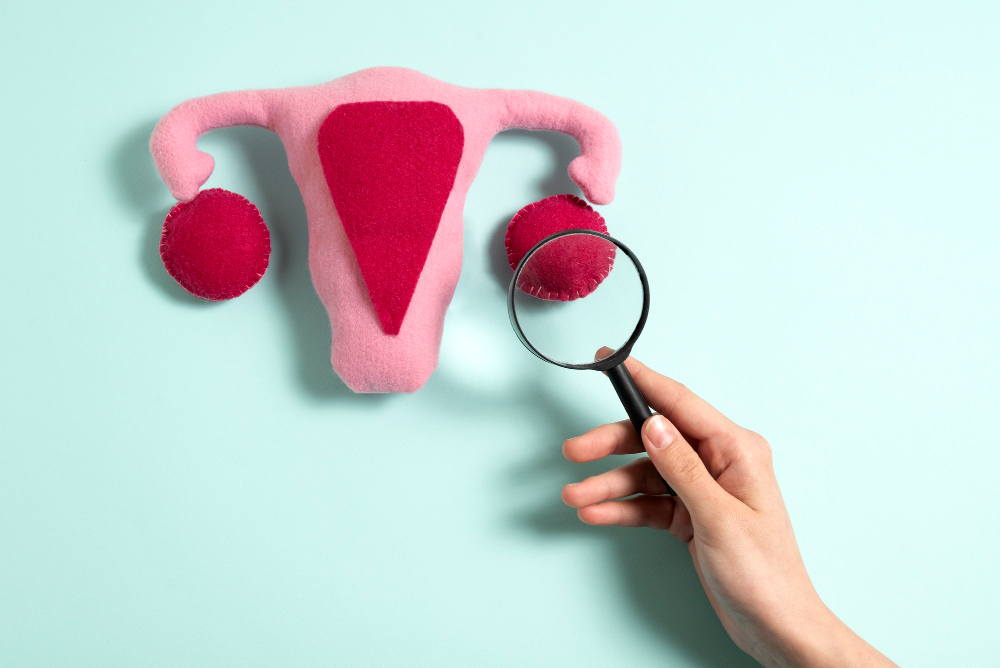
What is Cervical Cancer?
Cervical cancer starts in the cells of the cervix, which is the lower part of the uterus. This type of cancer often develops slowly. In many cases, early changes in the cervix can be found with regular cervical cancer screening. Because of this, early detection is possible. According to the World Health Organization (WHO), cervical cancer is one of the most common cancers in women worldwide. However, it is also one of the most preventable types.
Symptoms of Cervical Cancer
Many women do not notice early signs of cervical cancer. Often, symptoms appear only when the disease has progressed. Still, knowing the warning signs can help you seek care sooner. For example, you should watch for:
Because these symptoms can be caused by other conditions, it is important to see a doctor if you notice them.
Causes and Risk Factors
Most cases of cervical cancer are linked to infection with the human papillomavirus (HPV). HPV and cervical cancer are closely connected, as certain types of HPV can cause changes in cervical cells. However, not everyone with HPV will develop cancer. Other risk factors include:
Because HPV is common, regular screening is important for all women.
Diagnosis of Cervical Cancer
Early detection saves lives. Therefore, regular cervical cancer screening is key. Doctors use several tests to find cervical cancer or early changes. These include:
If you have abnormal results, your doctor will explain the next steps. Early signs of cervical cancer are often found during routine screening.
Treatment Options
Treatment depends on the stage of cervical cancer and your overall health. In many cases, early-stage cancer can be treated successfully. Common treatment options include:
Your doctor will discuss the best plan for you. Supportive care is also available to help manage side effects.
Prevention and Lifestyle Tips
There are several ways to lower your risk of cervical cancer. For example, you can:
Because prevention is better than cure, these steps can make a big difference. If you live in areas with screening programs, take advantage of them. Ask your doctor about how to prevent cervical cancer based on your age and health.
When to See a Doctor
If you notice any symptoms such as unusual bleeding, pain, or discharge, see a healthcare provider soon. Even if you feel healthy, regular check-ups are important. Early detection gives you the best chance for a cure. Remember, cervical cancer screening can find problems before they become serious.
For personalized advice on cervical cancer prevention and care, consult a healthcare specialist.