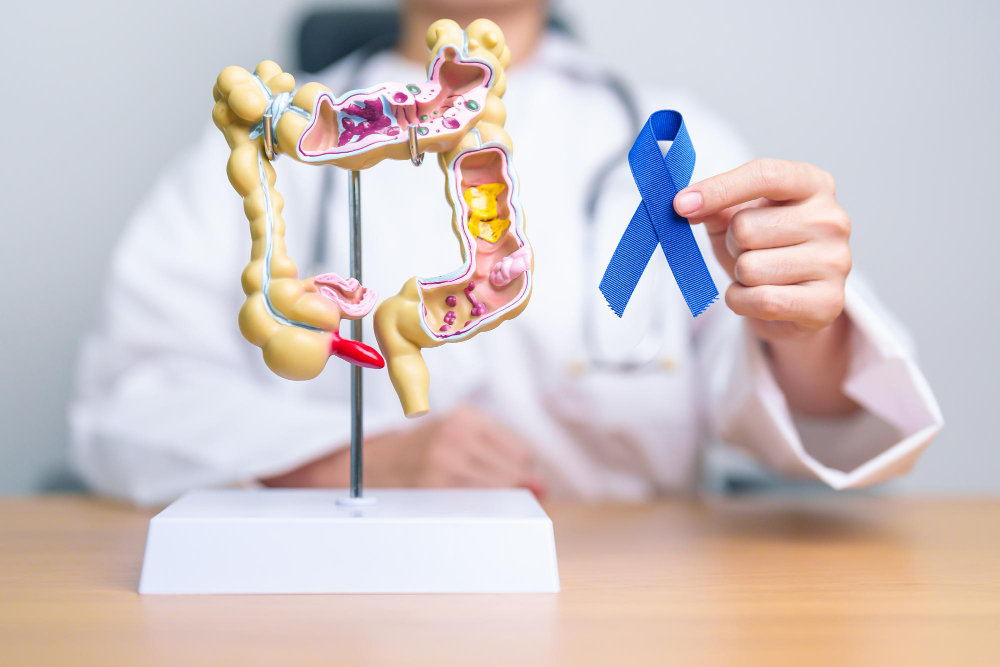
Introduction to Colorectal Cancer
Colorectal cancer is a type of cancer that starts in the colon or rectum. These are parts of your large intestine. In fact, this cancer is one of the most common cancers worldwide. According to the World Health Organization (WHO), it affects both men and women. Early detection can make treatment easier and more effective. Therefore, knowing the signs of colorectal cancer is important for everyone.
Symptoms of Colorectal Cancer
Many people do not notice symptoms in the early stages. However, as the cancer grows, some signs may appear. It is important to watch for these changes in your body. Common symptoms include:
Sometimes, these symptoms can be caused by other conditions. Still, you should talk to a doctor if you notice any of them.
Causes and Risk Factors
Doctors do not know the exact cause of colorectal cancer. Yet, some factors can increase your risk. For example, age is a major factor. Most cases happen in people over 50. Other risk factors include:
Although you cannot change some risk factors, you can make healthy choices to lower your risk.
Diagnosis Methods
Doctors use several tests to find colorectal cancer. Early diagnosis can save lives. Common colorectal cancer diagnosis methods include:
Because early detection is key, regular screening is important, especially if you have risk factors.
Treatment Options
Treatment options for colorectal cancer depend on the stage and location of the cancer. Your doctor will suggest the best plan for you. Common treatments include:
Sometimes, doctors use a mix of these treatments. Early-stage cancers may need only surgery. Advanced cases may need more than one type of treatment.
Prevention Tips
While you cannot prevent all cases, you can lower your risk. Here are some tips on how to prevent colorectal cancer:
Because prevention is better than cure, these steps can help protect your health.
Lifestyle Guidance for Patients
After a colorectal cancer diagnosis, healthy habits are important. For example, eating a balanced diet can help your body heal. Staying active, even with light exercise, can boost your mood and strength. Also, joining a support group may help you cope with stress. Remember, always follow your doctor’s advice about medicines and follow-up visits.
When to See a Doctor
If you notice any signs of colorectal cancer, do not wait. For instance, blood in your stool or lasting changes in bowel habits should be checked. Even if you feel unsure, it is better to ask your doctor. Early action can make a big difference in treatment and recovery.
In summary, knowing the symptoms, causes, and treatment options for colorectal cancer can help you stay healthy. Consult a healthcare specialist for personalized advice on colorectal cancer.