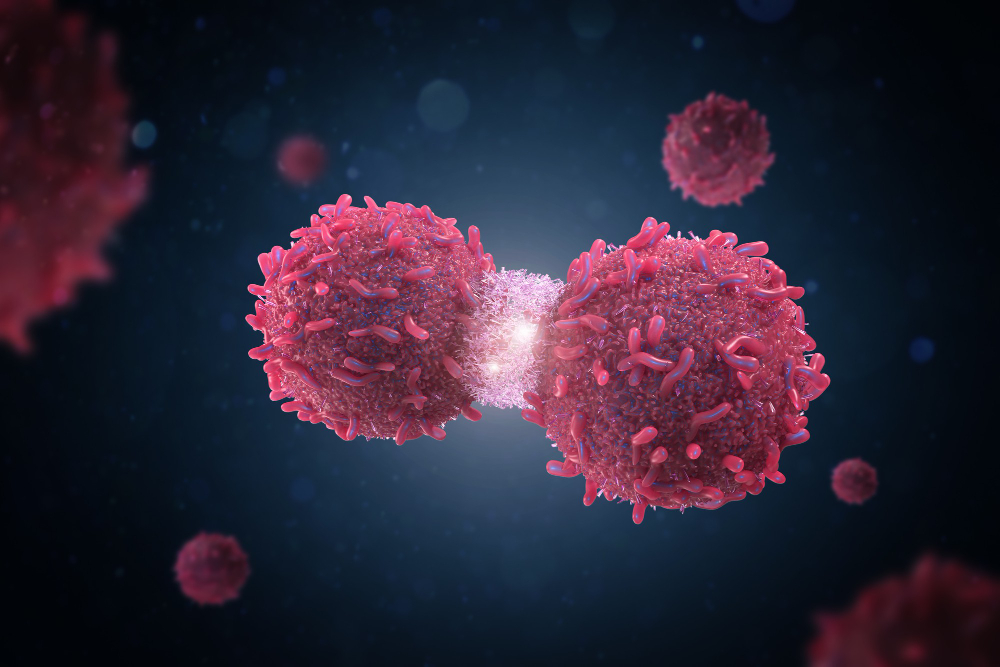
What is Soft Tissue Sarcoma?
Soft tissue sarcoma is a rare type of cancer. It starts in the soft tissues of the body, such as muscles, fat, nerves, or blood vessels. These tissues help connect, support, or surround other body parts. Although soft tissue sarcoma can occur anywhere, it often appears in the arms, legs, or abdomen. Because it is uncommon, many people may not know the signs. However, early detection can make a big difference in treatment success.
Common Symptoms
Recognizing soft tissue sarcoma symptoms early is important. Many people do not notice symptoms at first. Still, as the tumor grows, you may see or feel changes. For example, you might notice:
Sometimes, these symptoms can be caused by other conditions. Yet, it is wise to see a doctor if you notice any of these changes.
Causes and Risk Factors
Doctors do not always know what causes soft tissue sarcoma. However, some risk factors may increase your chances. For instance, you may be at higher risk if you:
Even so, most people with these risk factors never develop the disease. On the other hand, some people with soft tissue sarcoma have no known risk factors at all.
Diagnosis Methods
How is soft tissue sarcoma diagnosed? Doctors use several steps to find out if you have this cancer. First, they will ask about your symptoms and medical history. Next, they may do a physical exam. If they suspect a tumor, they might order tests such as:
Because early diagnosis is key, do not wait to seek medical advice if you notice a lump or swelling. According to the World Health Organization (WHO), early detection can improve treatment outcomes.
Treatment Options
Treatment for soft tissue sarcoma depends on the tumor’s size, location, and type. Your doctor will create a plan that fits your needs. Common treatments include:
Sometimes, doctors use a mix of these treatments. For example, you might have radiation before or after surgery. The Centers for Disease Control and Prevention (CDC) notes that new treatments are always being studied. Therefore, you may have access to clinical trials in your area.
Prevention and Lifestyle Tips
There is no sure way to prevent soft tissue sarcoma. Still, you can lower your risk by:
Even though these steps cannot guarantee prevention, they can help you stay healthy overall. Additionally, knowing your family history can help you and your doctor watch for early signs.
When to See a Doctor
If you notice a new lump, swelling, or pain that does not go away, it is time to see a doctor. Also, if you have a family history of soft tissue sarcoma or related conditions, regular check-ups are important. Early action can lead to better outcomes. In many cases, simple tests can rule out serious problems.
In summary, soft tissue sarcoma is rare but treatable, especially when found early. If you have concerns or notice symptoms, consult a healthcare specialist for personalized advice on soft tissue sarcoma.