Introduction
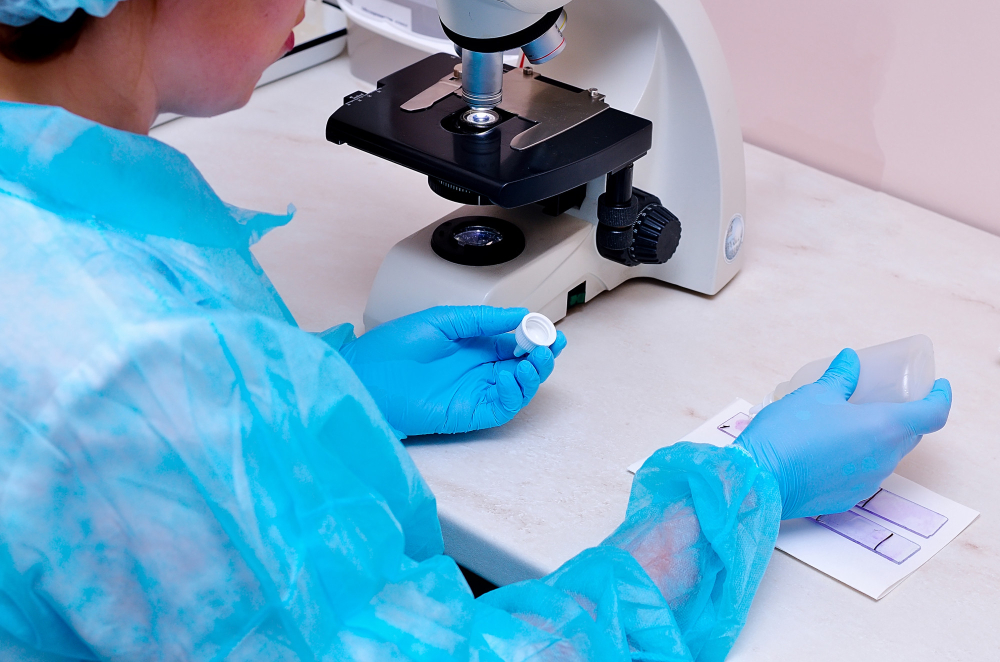
A biopsy is a simple medical test. Doctors use it to check for diseases like cancer. In fact, biopsy basics help you understand what to expect during diagnosis. During a biopsy, a small sample of tissue or cells is taken from your body. This sample is then checked under a microscope. Because biopsies are important, they help doctors find out if a lump or spot is cancerous or harmless. Knowing what happens during a biopsy can ease your worries.
What Is a Biopsy?
A biopsy is a test where a doctor removes a small piece of tissue or cells from your body. After that, the sample goes to a lab. There, experts look at it closely. This helps find out if the tissue is normal or if it has signs of disease. Often, a biopsy is the only way to confirm a cancer diagnosis. However, it can also help find other health problems.
Why Is a Biopsy Needed?
Doctors may suggest a biopsy for several reasons. For example, if a scan or blood test shows something unusual, a biopsy can help find out what it is. Here are some common reasons for a biopsy:
Because a biopsy gives clear answers, it is a key step in cancer diagnosis and treatment planning.
Types of Biopsies
There are different types of biopsies. The type depends on where the tissue is and what the doctor needs to find out. Some common types include:
Each type has its own steps, but all aim to give clear answers about your health.
How to Prepare for a Biopsy
Preparation depends on the type of biopsy. However, most biopsies need little special planning. Here are some tips to help you get ready:
Because preparation is simple, most people can return to normal activities soon after the test.
What Happens During the Procedure?
During a biopsy, you may sit or lie down, depending on the area being tested. First, the doctor cleans the skin. Then, they may use a numbing medicine, so you do not feel pain. For some biopsies, you may get a mild sedative to help you relax. Next, the doctor uses a needle, scalpel, or special tool to take the sample. The process usually takes less than an hour. After the sample is taken, the area is covered with a bandage. Because the procedure is quick, you can often go home the same day.
What to Expect After a Biopsy
After a biopsy, you may feel sore or notice a small bruise. However, most people recover quickly. Here is what you can expect:
If you notice heavy bleeding, fever, or severe pain, call your doctor right away. Otherwise, most people return to normal activities within a day or two.
Risks and Side Effects
Although biopsies are safe, there are some risks. For example, you might have:
Serious problems are rare. Because doctors use clean tools and careful steps, most people have no major side effects. Always follow your doctor’s advice to lower your risk.
Frequently Asked Questions
Conclusion
In summary, a biopsy is a safe and simple way to help diagnose cancer and other health problems. Because it gives clear answers, it is an important step in your care. If you have questions or concerns, consult a healthcare specialist for personalized advice about biopsies and diagnosis.