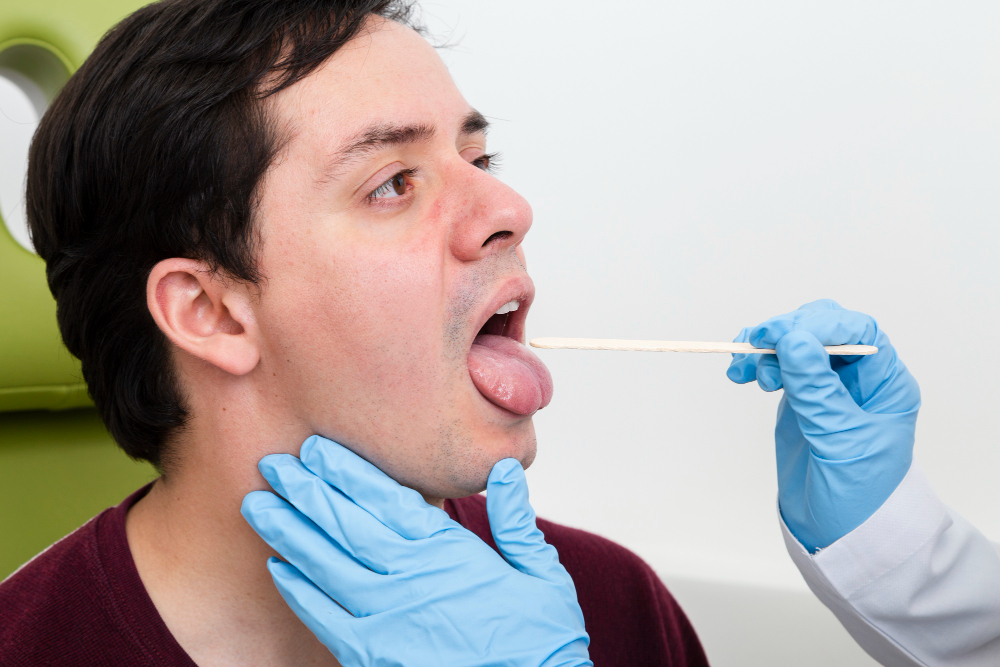
What Is a Mouth Ulcer?
A mouth ulcer is a small sore that forms inside your mouth. Usually, it looks like a white or yellow spot with a red border. Most mouth ulcers heal on their own within one to two weeks. However, a non-healing mouth ulcer can be a sign of something more serious.
Common Causes of Mouth Ulcers
There are many reasons why mouth ulcers appear. For example, you might get one after biting your cheek. Other common causes include:
Most of the time, these ulcers heal quickly. But sometimes, they last longer than expected.
When to Worry: Signs a Mouth Ulcer May Be Serious
Usually, mouth ulcers are harmless. However, some signs mean you should pay closer attention. For instance, you should worry if:
In these cases, it is important to see a doctor or dentist soon.
Why a Mouth Ulcer Lasting 2 Weeks Needs a Biopsy
If a non-healing mouth ulcer lasts for two weeks or more, it may be a warning sign. According to the World Health Organization (WHO), persistent mouth sores can sometimes be linked to oral cancer. While most ulcers are not cancer, a biopsy helps rule out serious problems. Early detection is key to better outcomes. Therefore, your doctor may suggest a mouth ulcer biopsy to check for abnormal cells.
The Biopsy Process: What to Expect
Many people worry about the biopsy process. However, it is a simple and safe procedure. Here is what usually happens:
Results usually come back within a week. Your doctor will explain what they mean and what steps to take next.
Potential Risks of Ignoring a Persistent Mouth Ulcer
Ignoring a persistent mouth sore can be risky. For example, if the ulcer is a sign of oral cancer, waiting can allow the disease to spread. The Centers for Disease Control and Prevention (CDC) notes that early treatment improves survival rates. Besides cancer, ongoing ulcers can signal infections or immune problems. So, it is always better to get checked early.
Prevention and Oral Health Tips
While not all mouth ulcers can be prevented, you can lower your risk by following these tips:
These steps help keep your mouth healthy and may reduce the chance of ulcers.
Conclusion: Take Action for Your Health
In summary, a non-healing mouth ulcer that lasts for two weeks should never be ignored. Getting a biopsy can help find the cause and rule out serious issues like oral cancer. If you have a mouth ulcer that hasn’t healed in 2 weeks, consult a healthcare professional for proper evaluation and guidance.