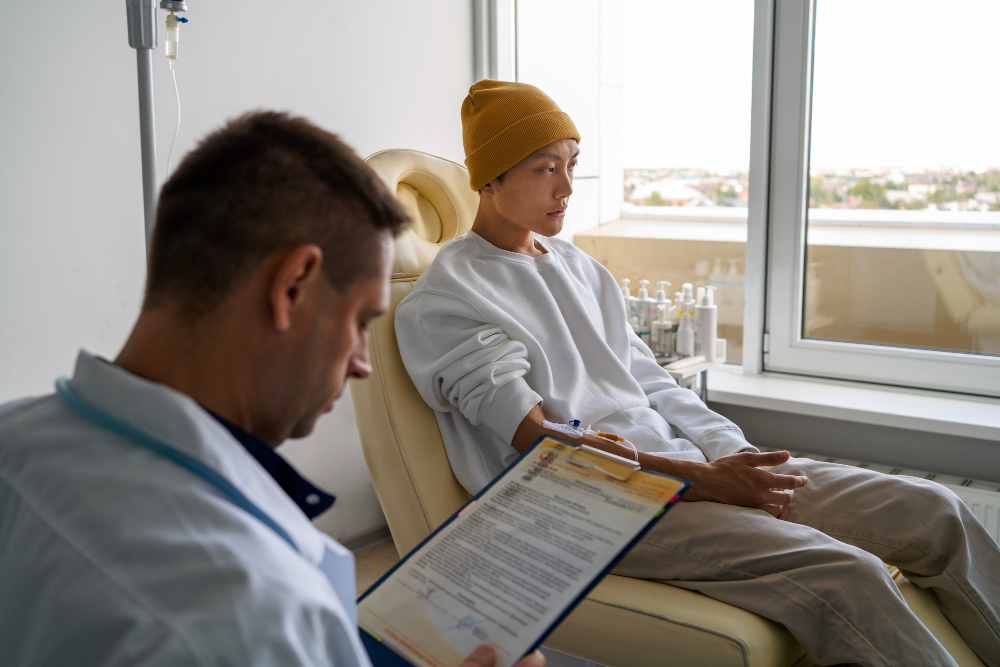
Introduction: Chemotherapy and Its Role in Cancer Treatment
Chemotherapy is a common way to treat cancer. It uses strong medicines to kill cancer cells or stop them from growing. For many people, chemotherapy helps shrink tumors and control the disease. However, sometimes chemotherapy stops working. This can be confusing and scary. Understanding why this happens is important for patients and families.
What is Cancer Drug Resistance?
Cancer drug resistance means that cancer cells stop responding to chemotherapy. At first, the treatment may work well. Over time, though, the cancer can become harder to treat. As a result, the medicines may no longer slow or stop the cancer. This is called resistance. It is a major reason why some cancers return or spread after treatment.
How and Why Chemotherapy Stops Working
There are several reasons why chemotherapy stops working. Scientists call these the mechanisms of cancer drug resistance. Here are some common causes:
Because cancer cells are always changing, resistance can happen at any time. In fact, some people may have resistant cancer cells even before treatment starts. According to the World Health Organization (WHO), drug resistance is a leading challenge in cancer care.
Signs Chemotherapy May Not Be Working
Sometimes, it is hard to know if chemotherapy is still effective. However, there are signs that may suggest resistance. These include:
If you notice these changes, talk to your doctor right away. Early action can help find new treatment options.
Diagnosis and Monitoring of Cancer Drug Resistance
Doctors use several tools to check if chemotherapy is working. For example, they may order scans like CT or MRI to look at the tumor. Blood tests can measure cancer markers. Sometimes, doctors take a small sample of the tumor, called a biopsy, to study the cells. In addition, regular check-ups help track symptoms and side effects. By using these methods, doctors can spot resistance early and adjust the treatment plan.
Current and Emerging Solutions for Overcoming Cancer Drug Resistance
Researchers are working hard to find new ways to fight cancer drug resistance. Some promising options include:
According to the National Cancer Institute, many new drugs and strategies are being tested in clinical trials. Therefore, patients may have more options in the future.
Prevention and Lifestyle Guidance
While not all resistance can be prevented, some steps may help. For instance, following your treatment plan closely is important. Here are some tips:
Additionally, support from family, friends, or a counselor can help you cope with stress. Remember, healthy habits may improve your overall well-being during treatment.
Summary
Cancer drug resistance is a big reason why chemotherapy stops working. However, new treatments and research offer hope. If you notice changes in your health, talk to your doctor. Early action can make a difference.
Consult a cancer specialist for personalized advice and the latest treatment options.