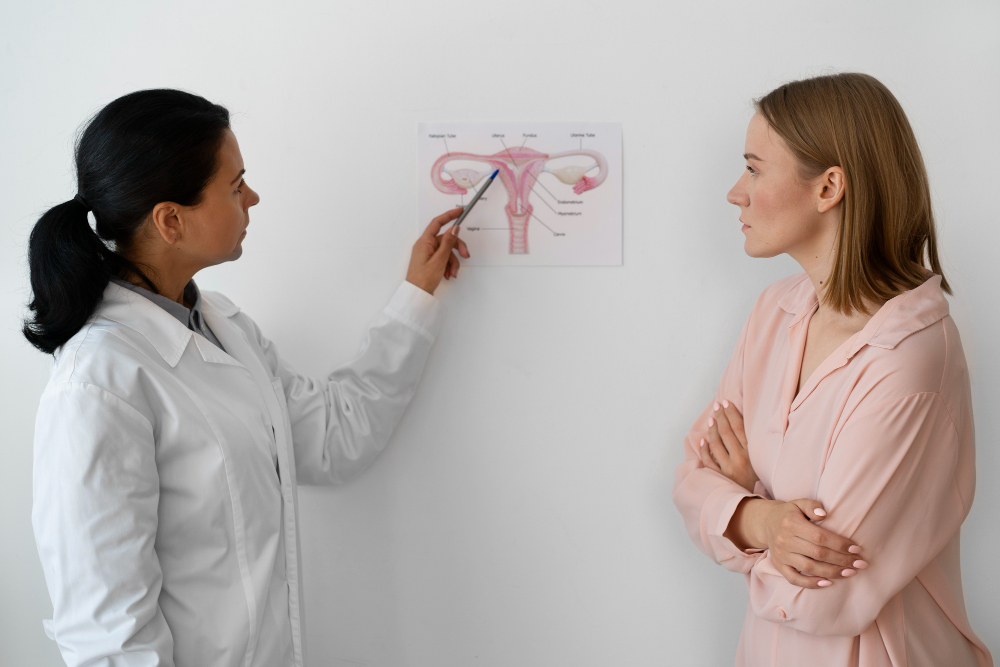
What is Ovarian Cancer?
Ovarian cancer is a type of cancer that starts in the ovaries. The ovaries are small organs in a woman’s lower belly. They make eggs and female hormones. Ovarian cancer happens when cells in the ovaries grow out of control. According to the World Health Organization (WHO), this cancer is one of the most common cancers in women. However, early detection can improve treatment outcomes. Many women do not notice symptoms until the cancer has spread. That is why knowing the early signs of ovarian cancer is important.
Common Symptoms of Ovarian Cancer
Ovarian cancer symptoms can be hard to notice at first. Still, some signs may appear as the cancer grows. It is important to pay attention to changes in your body. Early signs of ovarian cancer may include:
Sometimes, these symptoms can be caused by other health problems. But if they last for more than two weeks, you should talk to your doctor. Early action can make a big difference.
Causes and Risk Factors
Doctors do not know the exact cause of ovarian cancer. Yet, certain risk factors can raise your chance of getting it. Knowing these can help you stay aware. Common ovarian cancer risk factors include:
However, having one or more risk factors does not mean you will get ovarian cancer. Many women with risk factors never develop the disease. On the other hand, some women with no known risks may still get it.
How Ovarian Cancer is Diagnosed
Doctors use several steps to diagnose ovarian cancer. First, they ask about your symptoms and medical history. Next, they may do a physical exam. If they suspect ovarian cancer, they may order tests such as:
Early diagnosis is key. Therefore, if you notice any unusual symptoms, see your doctor right away. The Centers for Disease Control and Prevention (CDC) recommends regular check-ups for women at higher risk.
Treatment Options for Ovarian Cancer
Treatment for ovarian cancer depends on the stage and type of cancer. Your doctor will suggest the best plan for you. Common ovarian cancer treatment options include:
Sometimes, doctors use a mix of these treatments. New treatments and clinical trials may also be available. Always ask your doctor about all your options.
Prevention and Lifestyle Tips
While you cannot prevent all cases of ovarian cancer, some steps may lower your risk. For example, you can:
Even though these steps can help, they do not guarantee prevention. Still, healthy habits support your overall well-being.
When to See a Doctor
If you notice symptoms like bloating, belly pain, or changes in your bathroom habits, do not ignore them. Especially if these signs last more than two weeks, it is time to see a doctor. Early signs of ovarian cancer can be easy to miss. But quick action can lead to better results. If you have a family history or other risk factors, talk to your doctor about regular check-ups. Your health is important, so never hesitate to ask questions or seek help.
If you have concerns about ovarian cancer, consult your healthcare professional for advice tailored to your needs.